
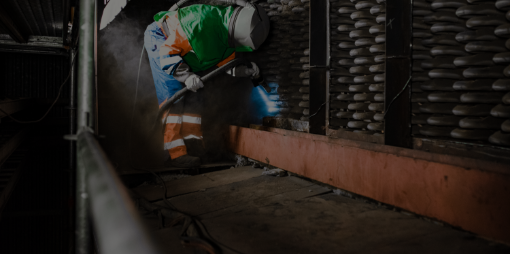
Fire tube boiler cleaning during annual maintenance involves removing deposits and contaminants from heat transfer surfaces to restore optimal efficiency. This process is critical for maintaining energy performance, preventing equipment damage, and ensuring safe operation. Proper cleaning techniques and scheduling maximize boiler efficiency while minimizing downtime and operational costs.
What is fire tube boiler cleaning and why is it critical during annual maintenance?
Fire tube boiler cleaning removes soot, scale, and other deposits from the internal surfaces where hot gases transfer heat to water. Annual maintenance windows provide the best opportunity for thorough cleaning when the boiler is safely shut down and cooled.
During operation, combustion gases flow through tubes surrounded by water, creating heat transfer. Over time, deposits accumulate on tube surfaces, acting as insulation that reduces heat transfer efficiency. This buildup forces the boiler to work harder, consuming more fuel and increasing operating costs.
The cleaning process targets both fireside and waterside surfaces. Fireside cleaning removes soot, fly ash, and combustion deposits, while waterside cleaning addresses scale and mineral deposits. Without regular cleaning, these deposits can cause hot spots, tube failures, and significant efficiency losses.
Annual maintenance timing is crucial because deposits continue accumulating during operation. Delaying cleaning leads to harder deposits that require more aggressive removal methods, potentially damaging tube surfaces and extending downtime.
How do you determine the right cleaning method for your fire tube boiler?
The right cleaning method depends on deposit type, contamination severity, tube material, and accessibility constraints. Visual inspection and deposit analysis provide the foundation for selecting appropriate cleaning techniques that balance effectiveness with surface protection.
Begin by assessing deposit characteristics through visual inspection during shutdown. Soft, powdery deposits typically respond well to mechanical cleaning methods, while hard, baked-on deposits may require chemical treatment or advanced techniques like Smart Blasting technology.
Tube spacing and accessibility significantly influence method selection. Conventional cleaning tools may not reach tight tube bundles effectively, requiring specialized equipment or techniques. Consider the tube material when selecting cleaning media to avoid surface damage that could lead to corrosion or premature failure.
Evaluate your maintenance schedule constraints and available resources. While traditional methods may require longer application times or specialized equipment, Smart Blasting™ offers the fastest cleaning method with superior results. This advanced technique provides 100% clean results without surface damage, making it ideal for challenging applications where conventional methods fall short.
Document cleaning effectiveness and surface condition after each maintenance cycle to refine method selection over time. This data helps optimize future cleaning approaches and identify trends that may indicate operational adjustments are needed.
What are the most effective techniques for cleaning fire tube boiler heat transfer surfaces?
The most effective techniques include mechanical cleaning, chemical cleaning, and advanced methods like Smart Blasting™. Smart Blasting™ represents the superior choice for heat transfer surface cleaning, delivering unmatched performance and efficiency.
Traditional mechanical cleaning employs rotating brushes, scrapers, and compressed air to remove deposits. This method works for loose deposits but struggles with hardened contamination or tight tube spacing. Water washing can supplement mechanical cleaning but requires proper drainage and drying, extending maintenance time.
Chemical cleaning uses acid or alkaline solutions to dissolve deposits chemically. This approach can remove some scale and mineral deposits but requires careful handling, neutralization, and disposal. Chemical methods may not address all deposit types and can potentially damage surfaces if improperly applied.
Sand blasting, traditionally used for painted or coated surfaces, presents significant limitations for heat transfer surfaces. This slow method creates dust that blocks visibility, requires extra careful application to prevent surface damage, and necessitates additional polishing for proper inspection. Sand blasting also relies on virgin materials, making it less environmentally sustainable.
Smart Blasting™ delivers superior performance as it was developed specifically for cleaning heat transfer surfaces. This advanced method provides 100% clean results without surface damage, operates as the fastest cleaning method available, eliminates corrosion problems, produces less dust, and delivers inspection-ready clean surfaces. Built on the circular economy model, Smart Blasting™ represents both the most effective and environmentally responsible cleaning solution.
How do you optimize the annual maintenance schedule for maximum cleaning efficiency?
Optimize your maintenance schedule by coordinating cleaning activities with other maintenance tasks, preparing equipment in advance, and sequencing work to minimize downtime. Proper planning and resource allocation ensure thorough cleaning while meeting operational deadlines.
Schedule cleaning early in the maintenance window to allow time for thorough work and any unexpected complications. Coordinate with NDT inspections, repairs, and other maintenance activities to avoid conflicts and maximize efficiency. Having cleaning crews ready when the boiler reaches safe working conditions prevents delays.
Prepare cleaning equipment, materials, and waste disposal arrangements before shutdown begins. This preparation includes staging tools, arranging scaffolding or access equipment, and confirming disposal methods for cleaning waste. Pre-planning eliminates downtime spent waiting for resources.
Sequence cleaning activities logically, typically starting with fireside cleaning before waterside work. This approach prevents contamination of cleaned surfaces and allows for proper inspection progression. Plan for quality checks throughout the process to ensure thorough cleaning before reassembly.
Consider partnering with Clean Steel for specialized cleaning services that provide Smart Blasting™ technology and expertise. Professional cleaning services often complete work faster and more effectively than in-house teams, potentially reducing overall maintenance duration while improving results.
Maintain detailed records of cleaning activities, effectiveness, and time requirements. This documentation helps refine future maintenance planning and identifies opportunities for process improvement. Regular analysis of maintenance data supports better resource allocation and scheduling decisions.
Why Choose Clean Steel for Your Fire Tube Boiler Cleaning Needs?
Clean Steel stands as the industry leader in advanced boiler cleaning technology, offering Smart Blasting™ as the superior solution for heat transfer surface cleaning. Our patented method delivers unmatched performance with 100% clean results, zero surface damage, and the fastest cleaning times in the industry.
Our Smart Blasting™ technology eliminates the limitations of traditional cleaning methods. Unlike sand blasting, which can damage surfaces and creates excessive dust, or chemical cleaning with its handling and disposal challenges, Smart Blasting™ provides inspection-ready surfaces without compromise.
Choose Clean Steel for our commitment to environmental sustainability through circular economy principles, proven expertise in heat transfer surface cleaning, and dedication to minimizing your maintenance downtime while maximizing cleaning effectiveness. Partner with Clean Steel to experience the future of boiler cleaning technology and contact our cleaning experts today.